
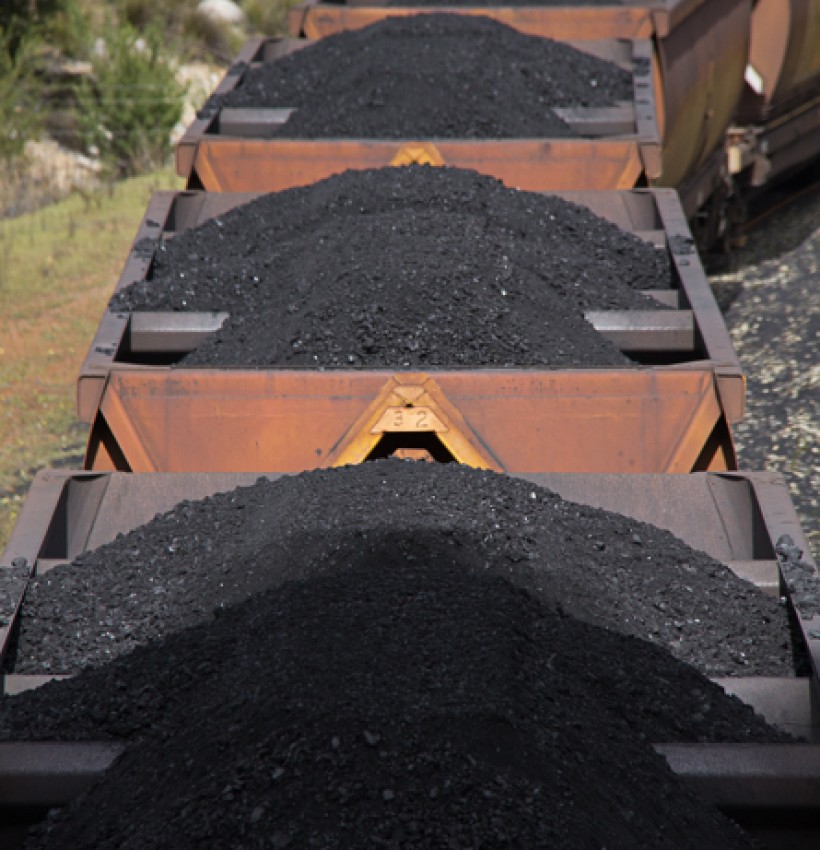
Coal has been mined in Collie for over 120 years having a variety of uses from steam locomotives and ships in early days to power generation and metallurgical uses in the past 60 years. Primary present uses are power generation, mineral processing, cement manufacture and as a pure heat source.
Premier coal is a sub bituminous steaming coal suitable for:
- Steam raising (power generation);
- Cement making;
- Direct reduction; and
- Heating.
Historically, Collie coal has been mainly utilised for steam raising, as it burns well on grates, and hence early consumption was dominated by locomotives and steam ships.
In the early 1950’s, Collie coal was commercially used for production of town gas, using a carburetted water gas plant in Fremantle, WA.
Collie coal is easy to grind and is now usually used in a pulverised form for power generation. Other favourable characteristics include a high volatile content (enabling stable flame and burner conditions) and low ash.
The State’s power generator, Synergy, purchase about 80% of the coal mined at Collie for use in its power stations at Muja and Collie. Collie coal has had several industrial uses over time. South32 Worsley Alumina uses Premier Coal for on-site power generation and steam raising.
Cristal Mining uses Premier Coal to raise steam for heating requirements for processing of mineral sands.
Iluka Resources uses Premier Coal in kilns as part of a process to produce synthetic rutile from beach sands ilmenite.
Tronox based on the Cooljarloo mine near Cataby, also produces synthetic rutile using Collie coal as a reductant while roasting ilmenite in a 90m long rotary kiln.
Premier Coal is also used by various brick and cement manufacturers for firing kilns and by nurseries for a hot house heating source. Cockburn Cement produces cement by firing a slurry of limestone and bauxite flux using coal or gas to heat the kiln.
The technical and economic viability of manufacturing higher grade products from coal such as char, briquettes or form coke, have been assessed on numerous occasions, commencing with the establishment of an experimental briquetting factory in Bunbury during 1902.
Although metallurgical applications for briquettes exist (and have been proven very successful), e.g. steel foundries, limited markets have opened.
Premier Coal is seeing increasing interest in its application as a soil additive for farm land – providing trace elements and organic content.
Total coal production from Premier Coal is currently in the order of 3 million tonnes, with over 80% used for power generation and steam raising (Synergy and South32 Worsley Alumina). The remaining coal is consumed in synthetic rutile production by Iluka Resources (Capel) and Tronox (Chandala). Small quantities of coal are also used as a heat source by industry and nurseries.